West Virginia House of Delegates considering bill to change Optometry practices
PARKERSBURG, W.Va. (WTAP) - A bill has passed in the West Virginia State Senate and is heading to the House of Representatives that would change the qualifications needed to perform eye surgeries.
Senate Bill 565/House Bill 2975 makes changes to who can perform eye surgery, shifting the task from only ophthalmologists to include optometrists.
While the words do sound similar, there is a large difference between Ophthalmologists and optometrists. Optometrists require an undergraduate degree followed by four years at an optometry school. Ophthalmologists require 4 years of medical school, a 1-year medical internship, and 3 years of surgical residency.
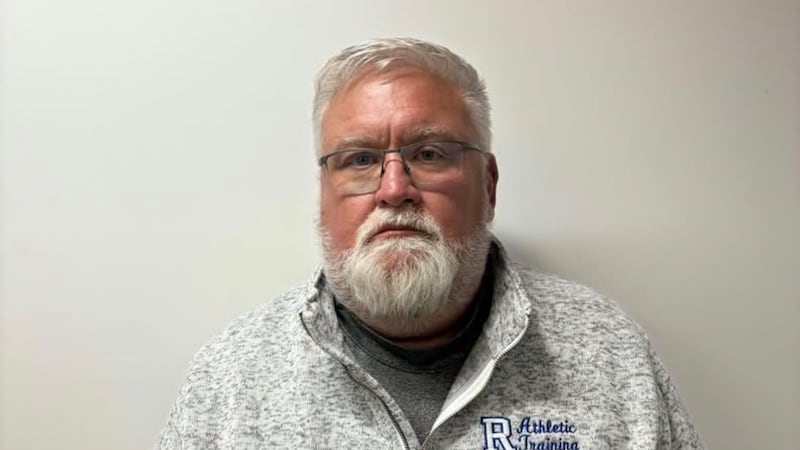
Dr. Mark Mayle has been working Board-Certified ophthalmologist here in the state of West Virginia since 1996. He believes this bill could raise a number of issues for citizens who need eye surgery.
The Journal of the American Medical Association found that if an optometrist does this procedure, there is a 189% chance of needing additional treatments, which would be additional lasers. So, if that was extrapolated, for every one laser that an ophthalmologist does, an optometrist is probably going to need to do 3 lasers to get that same effect.
Dr. Mayle feels that this increase in lasers would increase the strain on insurance companies, especially like PEIA and Medicaid which operate on already thin margins and predominantly help those who can’t really afford insurance and therefore are underinsured.
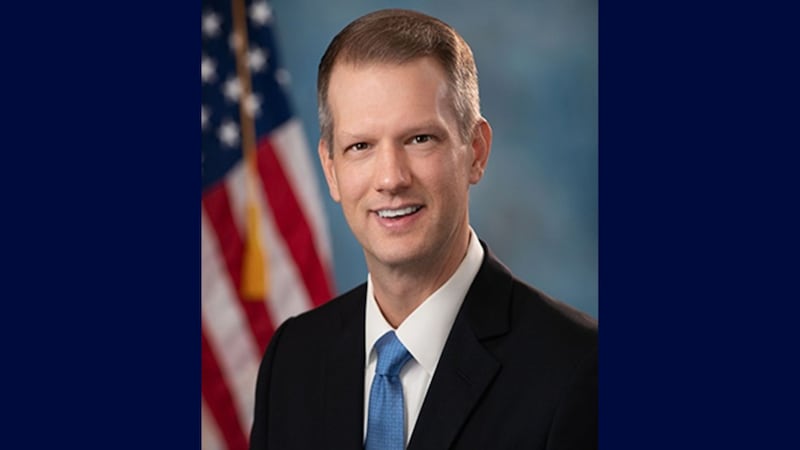
Delegate Trenton Barnhart is one of the sponsors of the bill. He believes that the bill will help provide the best access to care possible and make it more accessible. He acknowledges the concerns that ophthalmologists may have, but stresses that other states have done this same type of expansion of the scope of practice, there seen that there’s been no changes in malpractice or any types of harm.
Delegate Barnhart feels that the optometrists have been highly trained to perform the three simple surgeries that the bill allows for.
“These folks have the ability to take care of this issue. It’s been demonstrated in 12 other states, including our neighboring states. And again, I think the biggest issue here is it’s all about access to care right here in our state, not having to send people out of state”
Chad Robinson, the Executive Director of the West Virginia Association of Optometric Physicians, echoes Delegate Barnhart.
“SB 565 ensures that our highly trained optometrists can practice to the full extent of their education, training, and licensure—bringing more timely, accessible care to West Virginians where they are," says Robinson. “This legislation will allow optometrists to deliver essential care, like managing certain eye conditions and performing minor procedures, without patients having to travel long distances or wait weeks for an appointment.”
In a news release from the WVAOP, they say the bill “modernizes the state’s optometric scope of practice to align more closely with current medical education and practices, allowing optometrists to provide a broader range of services and help address critical access issues in many parts of the state.”
The bill has been introduced into state legislature a number of times. Delegate Barnhart thinks that it takes time to build consensus andto get the best information out there and to build the case to have the bill pass, but he is confident it will move on in the House. The bill is currently being discussed in the House Health Committee regarding the changes made in the senate.
Dr. Mayle says he hopes to spread awareness about the bill and get citizens to understand the risks that it may have on their eye care. “Anybody who hears this and is concerned, please reach out to your state legislators because they are the ones that are going to be making this decision for us.”
The new law will take effect July 9, 2025.
See an error in our reporting? Send us an email by clicking here!
Copyright 2025 WTAP. All rights reserved.